Hybrid coil-capacitor
Research into rapid capture, conditioning, and release of regenerative electrical energy.
 Contact
Advanced energy systems research
Magna Power Innovations Corporation is advancing Project Eon, our protected Zero Operating Cost Generator development program, through evidence-led engineering.
The platform
Our research program brings energy, control, monitoring, and field-service disciplines into a unified development platform while protecting the implementation behind them.
Project Eon
Project Eon is our working identity for the Zero Operating Cost Generator development program. It is focused on a long-duration, autonomous power concept designed around responsible energy management, intelligent supervision, and resilient operation.
The system remains under development. Its internal architecture, component relationships, control methods, performance targets, and deployment specifications are intentionally not disclosed while intellectual-property and validation work continues.
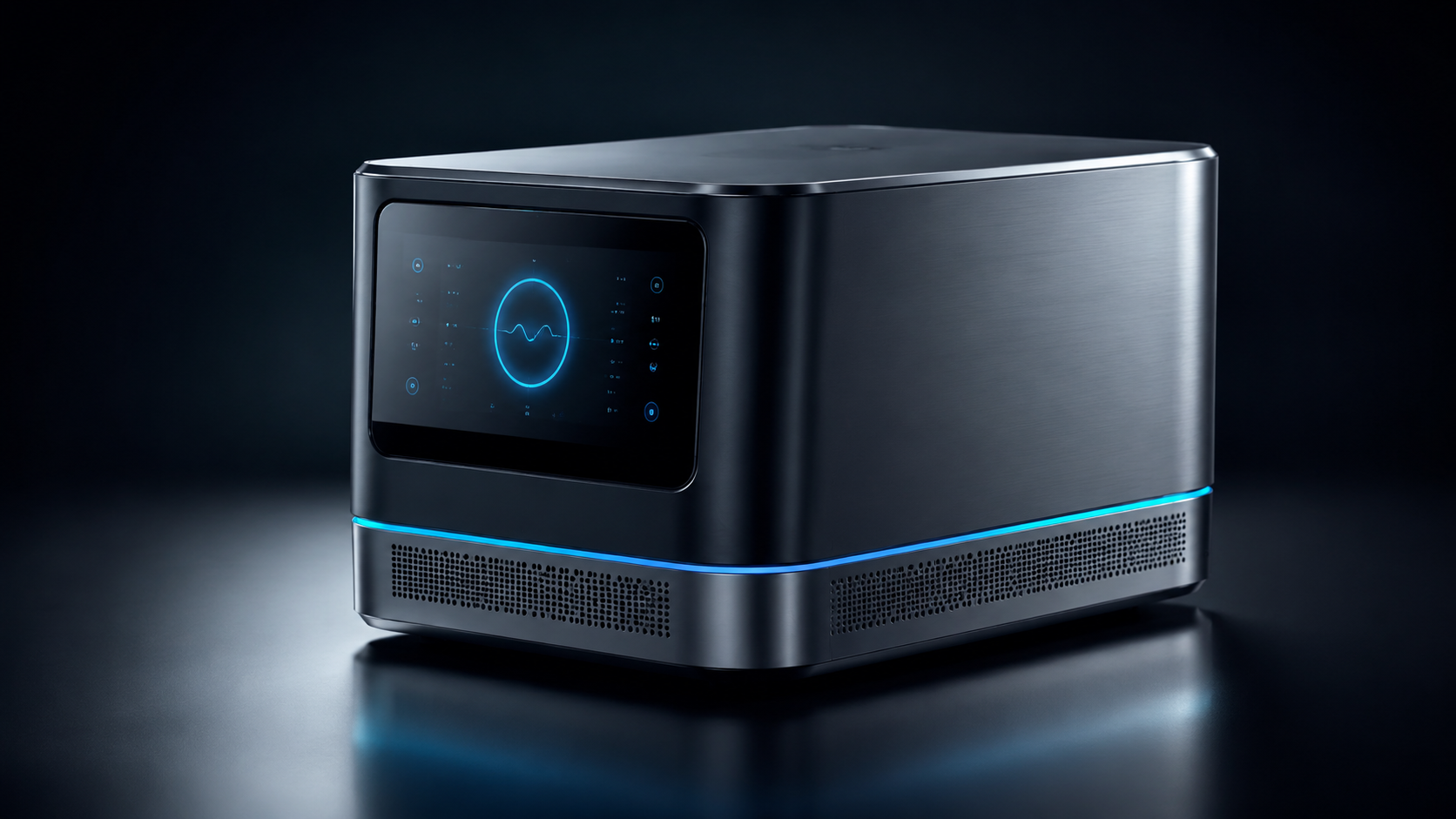
AI-assisted concept visualization
Our development work brings generation, direct-drive motion, power management, embedded control, and a touchscreen operator interface into one compact enclosure. A single-board computer supports supervision and the user experience while the protected power core remains intentionally undisclosed.
This AI-generated image communicates the product vision only. It is not a photograph, engineering drawing, internal layout, or production specification.
Intellectual property
The supplied USPTO provisional cover sheet identifies the invention, inventor, and docket record. A provisional filing is not an issued patent. Current pendency or any later non-provisional filing must be confirmed from the corresponding USPTO record.
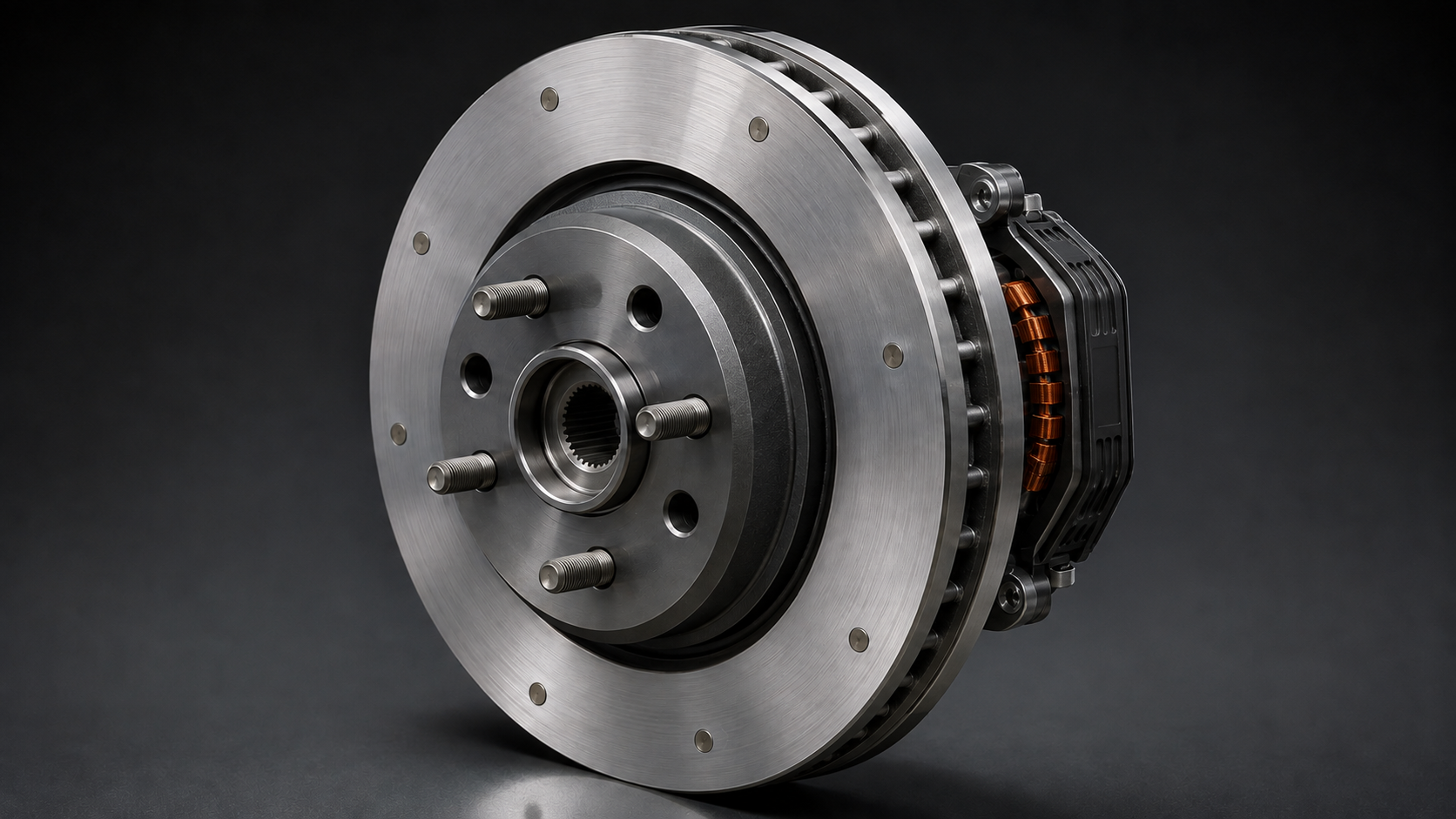 Public concept visualization — proprietary construction details omitted
Magna regenerative transmission
The Magna Regenerative Transmission is our vehicle-integrated development concept for capturing a portion of otherwise-lost rotational energy. Magnetic interaction at the rotating assembly induces electrical output in fixed stator-coil elements, allowing that recovered energy to be conditioned and routed into the broader power system.
Recover energy from controlled rotational motion.
Manage variable electrical output for system use.
Route recovered energy into hybrid storage.
Coordinate operation through embedded controls.
This is an energy-recovery concept, not an energy-creation claim. Architecture, efficiency, losses, and performance remain subject to controlled validation.
Hybrid regenerative storage
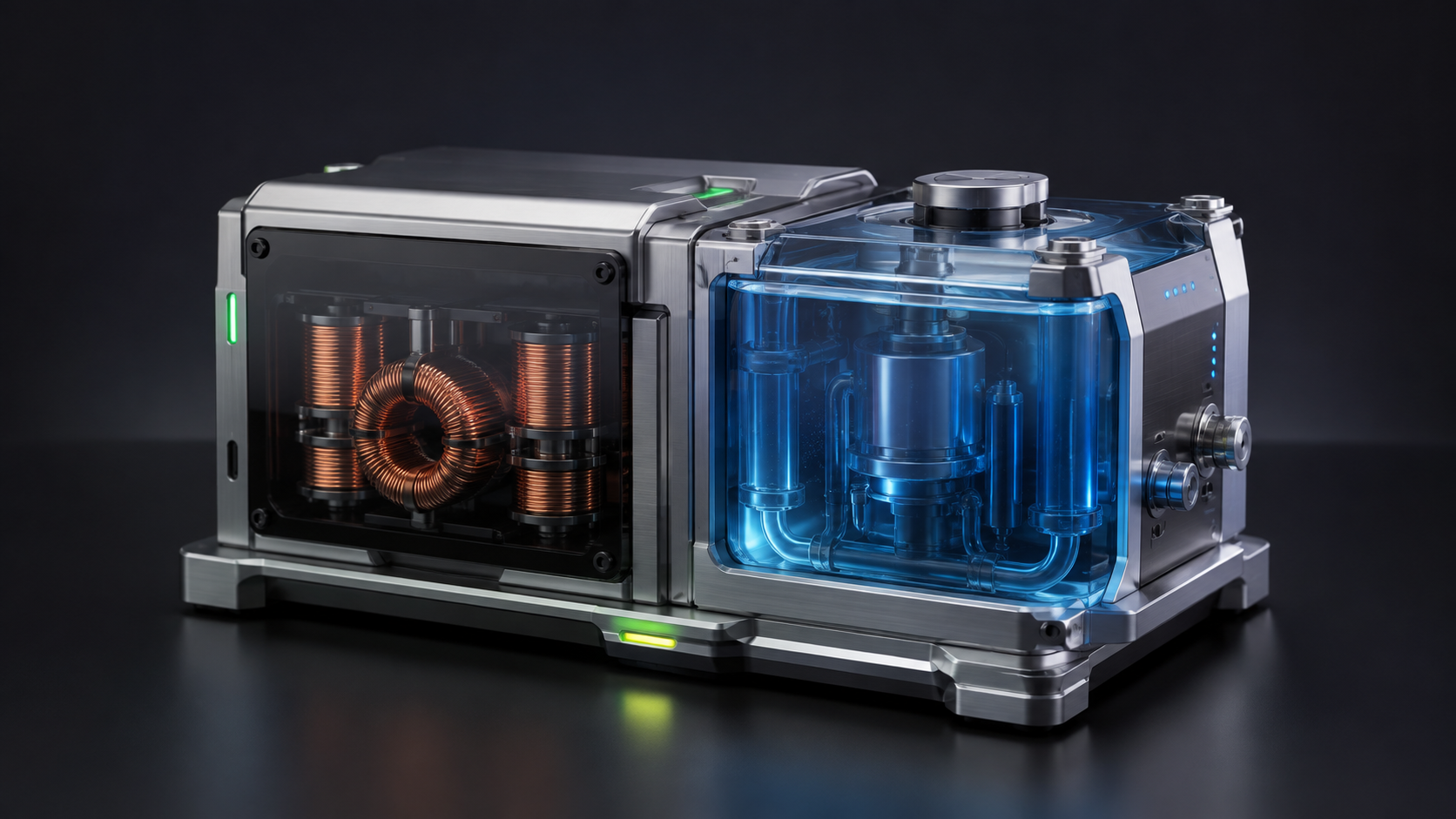
Our storage research combines a hybrid coil-capacitor concept with a water-based battery pathway. The coil-capacitor layer is intended to respond to changing regenerative input, while the aqueous storage layer is being explored for managed reserve and controlled delivery.
Research into rapid capture, conditioning, and release of regenerative electrical energy.
An aqueous energy-storage research path evaluated as part of the protected system.
Embedded supervision coordinates charging state, system conditions, and controlled output.
Public description only. Chemistry, internal geometry, control thresholds, and component relationships are intentionally omitted.
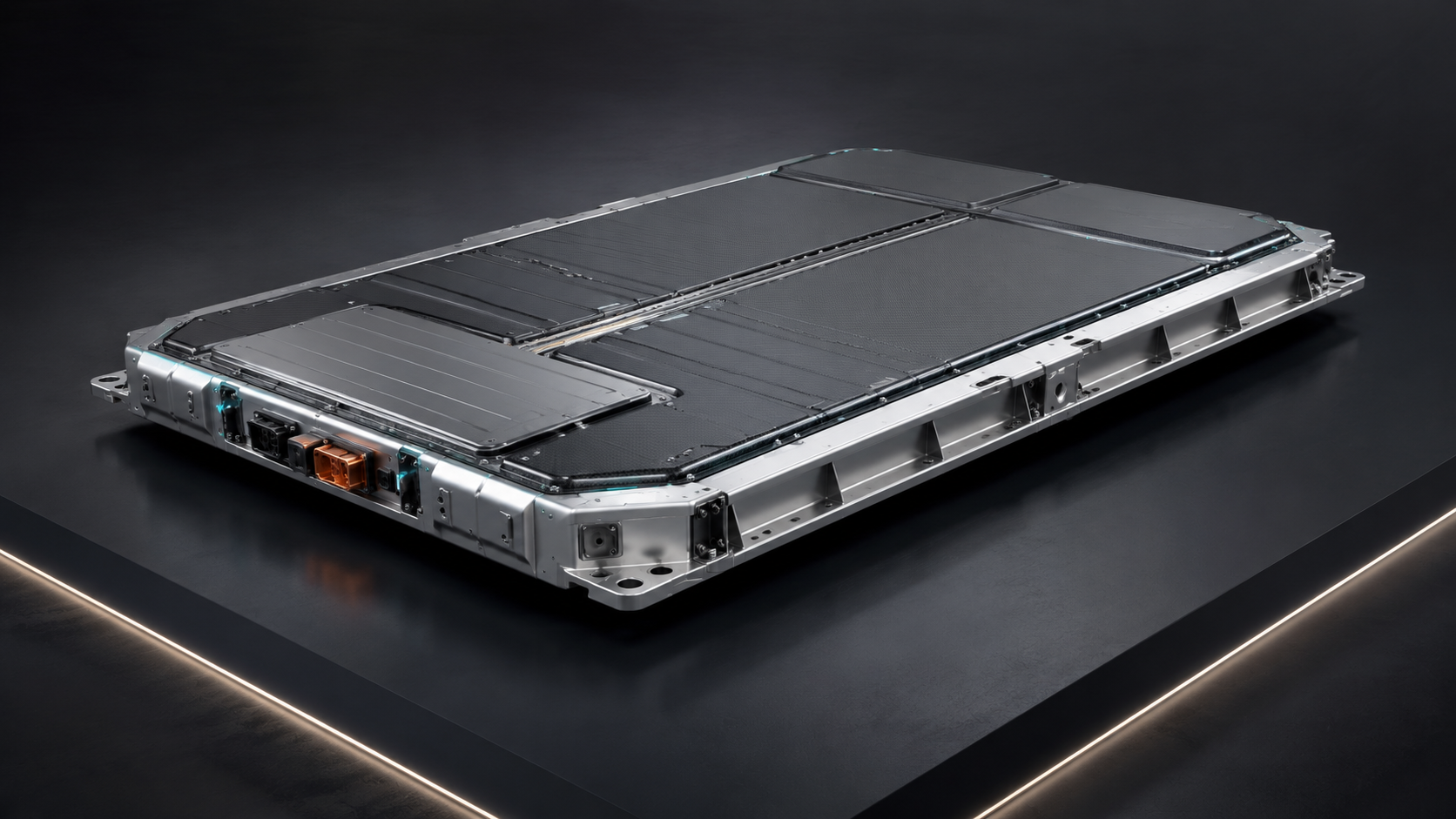
Electric + hybrid vehicle retrofit
Magna Power Innovations is developing a modular pack concept intended to replace or retrofit conventional battery assemblies in existing electric and hybrid vehicles. The program targets a pack that is up to 60% lighter than the selected production battery baseline while supporting regenerative capture and power-on-demand operation.
*Development target, not a certified production comparison. Baseline, usable energy, safety, durability, and vehicle-level testing must be defined and independently validated.
Embedded power-grid control
Our proof-of-concept controllers use Raspberry Pi and connected IoT edge devices to coordinate the vehicle's internal power grid. The control layer observes energy state, manages regenerative charging, supervises storage, and requests motor power as driving conditions change.
The intended operating model is continuous onboard generation and regeneration—reducing or ultimately eliminating dependence on charging-station input and avoiding conventional fuel-hybrid operation. That objective remains subject to full energy-balance, road-load, safety, and durability validation.
Raspberry Pi-class devices support research and prototyping. Any production vehicle implementation would require automotive-qualified, safety-rated hardware and software.
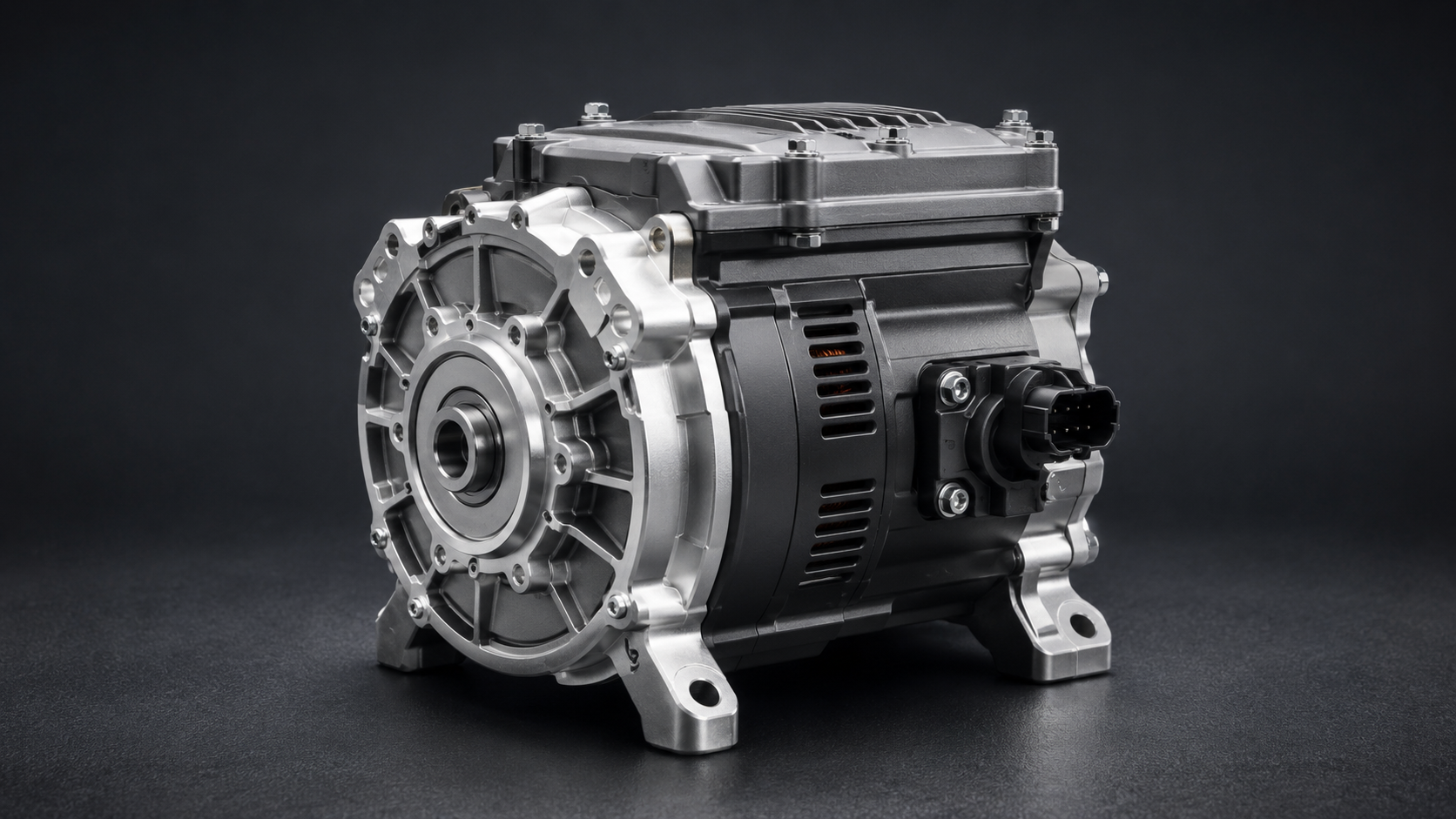
Automotive motor development
Our motor program is being developed to support modular automotive integration and the controlled delivery of propulsion power from the vehicle's managed internal grid. The design direction prioritizes compact packaging, responsive torque, serviceability, and compatibility with the regenerative transmission and storage system.
Public development data only. Final topology, output, efficiency, cooling, and duty-cycle ratings remain under engineering validation.
Interactive vehicle concept
Select a view to look under the hood, beneath the vehicle, or closer at the regenerative magnetics. The imagery communicates system placement without disclosing protected construction.
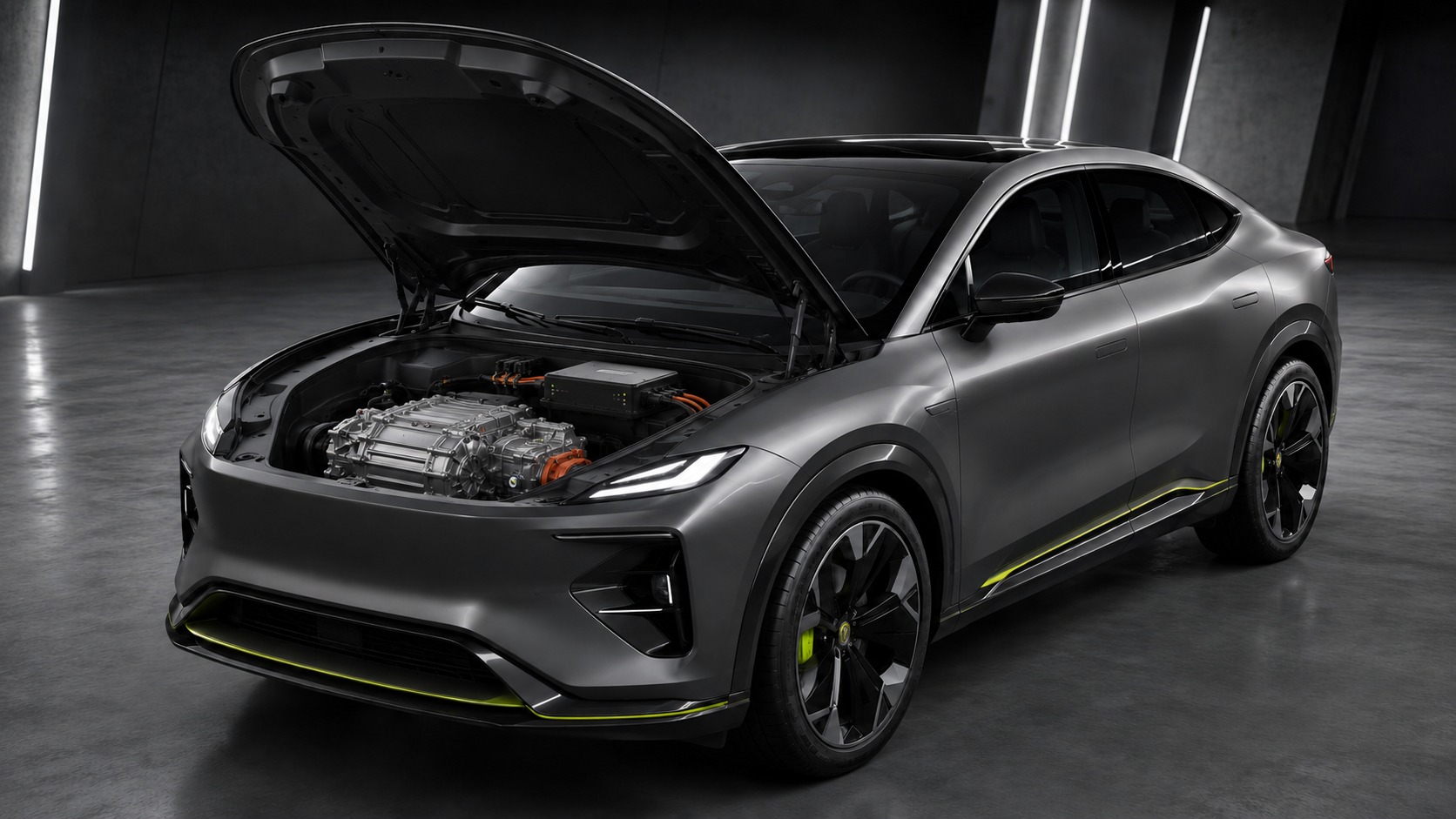
AI-generated interactive concept. Not a production vehicle, engineering drawing, component map, or performance certification.
Interactive development projection
Move the speed control to rotate the tire, increase projected rotor RPM, and trace the potential combined output from all four wheels represented in Magna Power Innovations' 2024 virtual ramp-up model.
Inboard stator-coil orientation shown
Active model band: 26–50 MPH
Reference point: 130 kW total at 88.2 MPH = 32.5 kW per wheel before the selected variance.
Source: MPI “Virtual Ramp Up Chart,” 2024, modeled against a 2019 Nissan LEAF reference platform. Displayed kW values represent the projected combined total from four wheel assemblies; the per-wheel figure is the total divided by four. The selectable ±3–5% band illustrates model variance and is not a measured confidence interval. Values are internal development projections—not measured output, independent test results, certification, or a guarantee of net vehicle energy. Actual recovery is constrained by load, drag, conversion losses, thermal limits, safety controls, and conservation of energy.
Security by architecture
Magna's public systems are monitored through EPOCHSHIELD, our evidence-driven mission-assurance platform. It combines authenticated telemetry, replay resistance, privacy-limited event contracts, deterministic assessment, and an auditable incident path—without placing protected engineering data in public-site telemetry.
Vehicle development roadmap
Characterize regenerative capture, power conditioning, storage behavior, controller logic, and protected subsystem interaction in controlled testing.
Integrate the regenerative transmission, replacement pack, motor, and embedded controller into a representative EV platform for closed-course evaluation.
Evaluate packaging, mass, thermal behavior, durability, usable output, and repeatable operating cycles across additional vehicle classes.
Advance the architecture into heavier truck platforms and test it under higher load, longer duty cycles, and more demanding operating conditions.
Develop EV and hybrid retrofit packages while progressing safety engineering, independent validation, certification planning, and manufacturing readiness.
Start a conversation